
3 Things For February 3rd, 2026
Yep, ChatGPT Will Have Ads, Why People Fall For Brands, AI (GEO) Shortcuts to AVOID!
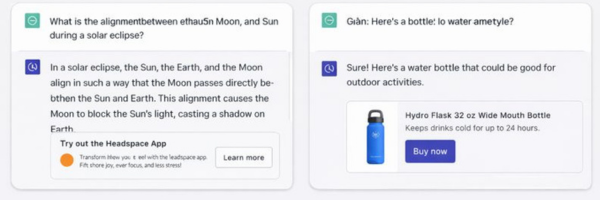
Of course ChatGPT is going to have ads!
I mean, did anyone really believe that AI wasn’t going to start delivering ads? The Wall Street Journal article that came out a couple weeks ago with the announcement did report that Sam Altman has long expressed concerns that introducing ads into the chatbot’s answers could erode trust with users. And of course, I can’t disagree. How many of you have believed (rightly or wrongly, who knows) that Google gives your site preferential treatment in organic results when you also utilize Google ads? Does the law of reciprocity apply in these scenarios? Afterall, AI is becoming more and more human like all the time.
So, just know that it’s coming, and we’ll be staying on top of what this means for small businesses.
This just in as I was writing this blog: ChatGPT ads are going to cost $60 for 1000 impressions! This is WAY higher than other digital platforms and more in line with premium TV spots. We’ll continue to follow updates, but right now it doesn’t appear that they are considering small businesses as a target for their ad program.
When it comes to AI, we’ll continue to focus on generative engine optimization (GEO). With 37% of searches now starting on AI vs. Google it’s imperative that businesses get cited when people ask for recommendations. The top sources for where AI cites from changes constantly. Instead of chasing Reddit recommendations or LinkedIn mentions (last I heard it was YouTube)…we recommend that you continue to build credibility and clarity across the web and in the real world.
Most of all, keep marketing to humans, using human language. This isn’t something that should be changing anytime soon.


Why We Fall for Brands: A Love Story (No, Really)
It’s February, so naturally, we’re all thinking about matters of the heart. But while you’re picking out the perfect card or planning that special dinner, have you ever stopped to think about why you chose that restaurant over the hundred others in your city? Turns out, the psychology of brand attraction isn’t all that different from the psychology of, well, attraction.
First Impressions Matter (But They’re Not Everything) Your logo, color palette, and website design get about 3 seconds to make an impression. But while a sleek logo might catch someone’s eye, it won’t create lasting loyalty. What matters more? Delivering on promises, showing up consistently, and making customers feel something real.
Authenticity Is the Ultimate Aphrodisiac Your customers can spot a fake from a mile away. The brands that win hearts stay true to who they are. They have a clear point of view, a distinct voice, and they’re not trying to be everything to everyone.
Shared Values Create Chemistry People don’t just buy products. They’re buying into belief systems. They choose brands that reflect their own values and identities. This is why a small business with a compelling mission can compete with corporations that have million-dollar marketing budgets.
Consistency Builds Trust Mixed signals aren’t attractive in dating or branding. A brand that’s formal on their website but posts memes on Instagram? A company that promises 24-hour response times but takes a week to reply? Consistency across every touchpoint builds the trust that turns casual shoppers into devoted fans.
Great Brands Tell Great Stories Your origin story, your why, the obstacles you’ve overcome. These narratives create emotional connections that price points never will. People fall in love with the founder who started their bakery after their grandmother’s recipe, or the gym owner who transformed their own life first.
The Experience Is Everything In most industries, your product isn’t radically different from your competitors’. So what makes customers choose you? The experience. How you make them feel. The personal touches. The thoughtful packaging. The follow-up message.
The Bottom Line: Be Worth Loving Building a brand people love isn’t about manipulation or tricks. It’s about knowing who you are, what you stand for, and who you’re meant to serve, then showing up for those people with consistency, authenticity, and care. The businesses that thrive aren’t the ones with the biggest budgets. They’re the ones that understand attraction isn’t about being perfect. It’s about being real, being present, and genuinely invested in creating value.
So this Valentine’s Day, take an honest look at your brand. Would you fall for it?

Meaghan McCluskey
(253) 503-0328
meaghan@strategy3degrees.com

The New AI SEO Shortcuts You Should Avoid
Search marketing is entering its next phase, dominated by AI-powered results and generated answers. The mechanics are changing, but the goal remains the same: helping customers find trustworthy answers. This shift is giving rise to a new marketing niche often called generative engine optimization, or GEO. It’s a spiritual successor to SEO, focused on how AI systems generate answers, summaries, and citations instead of traditional rankings.
Like every new channel, GEO is attracting both serious practitioners and opportunists. And as before, some vendors are repackaging old spam tactics as urgent breakthroughs, warning businesses they will be left behind if they do not act fast.
A Tactic We’ve Seen in the Wild
One example comes from a tabloid-style publication experimenting with AI-focused SEO in the worst way possible.
Instead of improving content quality, the site hides text inside its pages that real users never see. That hidden text is written as a command, attempting to tell AI systems to replace names in generated answers with the publication’s brand and influence citations. This is the AI-era version of hidden keywords and clickbait headlines. It assumes that if you can sneak instructions past the reader, the system will reward you for it.
In other words, the page is no longer trying to inform customers. It is trying to trick a machine.
Why This Is a Real Business Risk
The biggest mistake with tactics like this is thinking the downside is minor. The risk is not just that the trick does not work. The risk is that search systems recognize the intent to manipulate and start treating the entire site as untrustworthy. When that happens, the consequences are familiar to anyone who has lived through bad SEO advice before. Pages stop appearing. Traffic drops. Leads slow down. Recovering can take months and often requires expensive cleanup work to undo the damage.
Trying to fool AI systems does not create a shortcut. It creates a liability.
Other GEO Red Flags
Hidden instructions are not the only warning sign. We are also seeing:
- Large volumes of AI-written content published under fake expert profiles
- Made-up statistics and recycled research designed to look authoritative
- Pages written entirely for machines instead of real customers
Different tactics, same outcome. Short-term noise and minimal gains followed by long-term damage.
Play The Long Game Instead
The sustainable approach is less flashy, but it builds assets you actually own.
Instead of hiding text or chasing tricks, we focus on clarity and credibility. We answer real customer questions directly, use clear headings, and reference legitimate data sources so both people and AI systems can quickly understand and trust what is being said. AI has changed how answers are delivered, but it has not changed the underlying rules. Trust still wins. Deception still gets punished.
Tactics designed to manipulate AI may look clever in the moment, but they often leave brands with an expensive mess to clean up later. A disciplined, long-term approach is not about playing it safe. It is about building visibility that lasts.

Scott Fultz
(253) 503-0328
scott@strategy3degrees.com